Environmental stewardship
Preserving biodiversity through native species planting
United Nations Sustainable Development Goals
In 2025

12,350+ native trees, plants and seedlings planted or donated

1,800+ employee volunteer hours dedicated to biodiversity and reforestation

17+ environmental stewardship volunteer events across 10 countries
Program description
Coastal and terrestrial ecosystems play an important role in supporting biodiversity and ecological resilience. AES works with local partners to support conservation and restoration efforts while strengthening community-level environmental stewardship.
Improving lives
Local ecosystems are under pressure from climate change, land degradation, extreme weather, and biodiversity loss. The planting and maintenance of native species helps rebuild ecological balance, protect habitats, improve soil and water quality, and strengthen community resilience.
Through partnerships with conservation organizations, schools, and community groups, AES supports restoration and volunteer activities that connect people to local ecosystems while contributing to long-term environmental health. AES’ work ranges from protecting endangered species, to restoring native habitats, to engaging students, employees, and residents in environmental stewardship.
Delivering global impact
Argentina
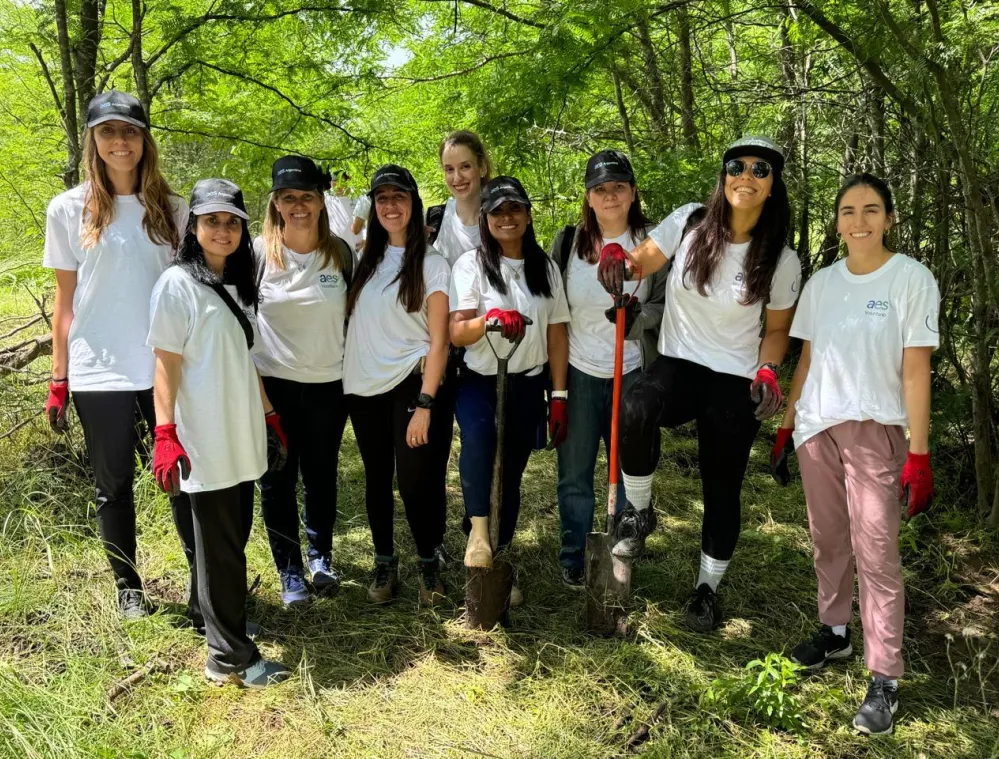
Since 2024, AES Argentina has partnered with the Friends of the Patagonia Association to reforest native trees and grasses. In 2025, across 4 planting events, more than 100 AES volunteers promoted biodiversity and restored green spaces in San Nicolás, the Del Pilar Nature Reserve, and the Lago Lugano Reserve in Buenos Aires, planting over 140 trees.
Chile
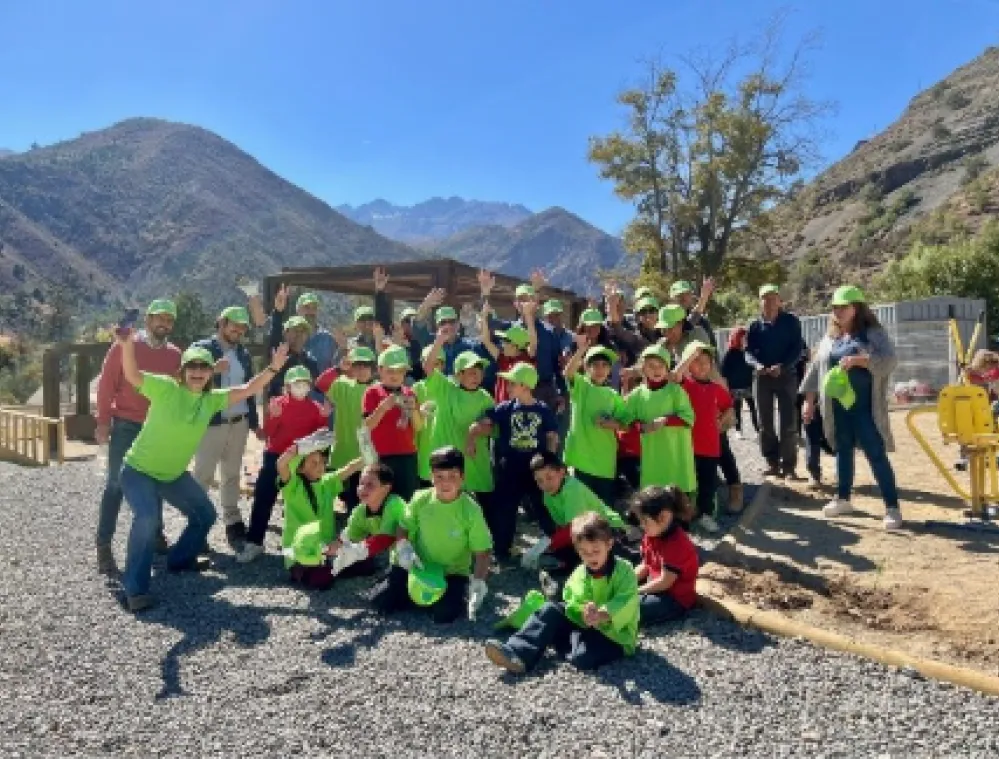
Since 2024, AES Chile has partnered with Los Maitenes school and San Gabriel border school, to connect students with hands on environmental stewardship. At Los Maitenes, 30 AES Volunteers and 20 elementary students planted 100 native trees and shrubs, creating a community green space while teaching youth about environmental stewardship. At San Gabriel, AES volunteers restored the school’s interior courtyard with plants donated from the Alto Maipo Nursery, reinforcing the importance of caring for shared spaces and ecosystems.
El Salvador
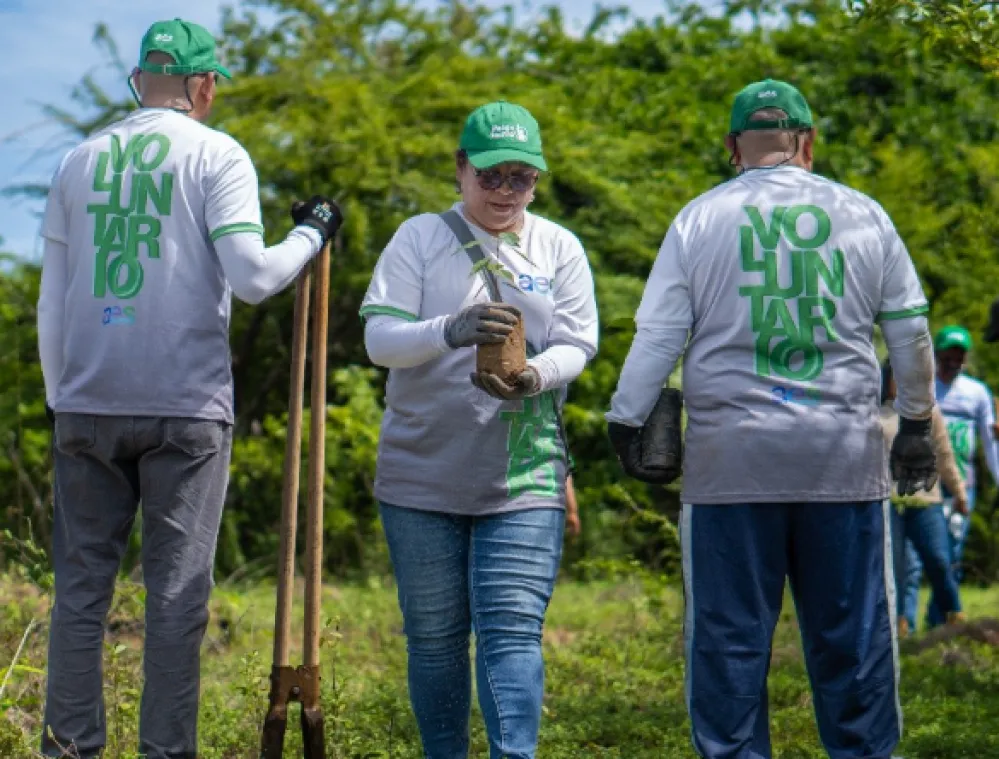
For the second consecutive year, AES EL Salvador partnered with the Zoological Foundation of El Salvador (FUNZEL) to reforest in the El Zope area and clean up nearby beaches in Sonsonate. Since 2024, more than 80 AES Volunteers restored 1,000 native tree species and collected 63 pounds of waste, helping to preserve the local ecosystem and build long term resilience.
Dominican Republic
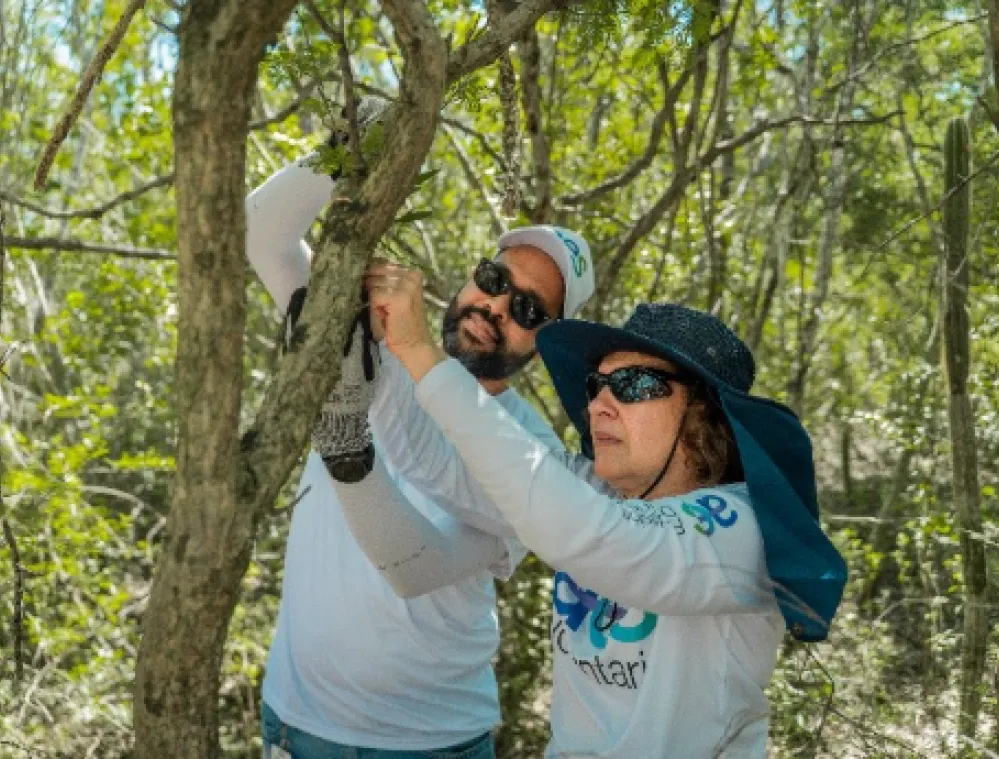
In 2025, in partnership with the Santo Domingo Botanical garden, AES volunteers reintroduced 600 native Cacatica orchids, a rare and critically endangered species endemic to the Villa Elisa Reserve, near AES’ Agua Clara wind farm. Following the planting, volunteers hand-pollinated the orchids to encourage propagation, aiming to restore the species to its natural habitat and contribute to its long-term survival.
United States
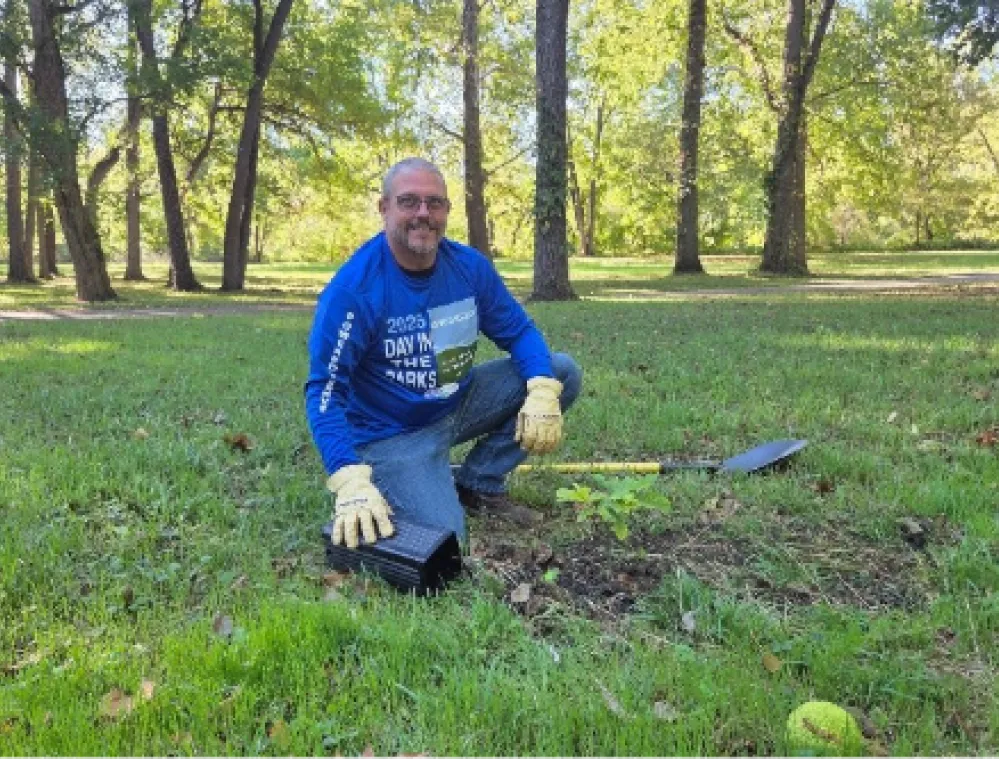
In 2025, over 200 AES volunteers across California, Virginia, Texas, and Ohio dedicated 440 hours to planting more than 450 trees in their local communities. In California, AES partnered with Arbor Day Foundation to support the distribution of 150 fruit trees to residents in an underserved community experiencing low tree canopy coverage and food insecurity. The initiative helps expand urban green space, improve climate resilience, and increase access to fresh food while providing residents education and resources to provide long-term tree care.
In addition, AES Indiana collaborated with Keep Indianapolis Beautiful to host the annual Indy Free Tree event, where 1,000 White River Birch Trees were distributed to residents.
Vietnam
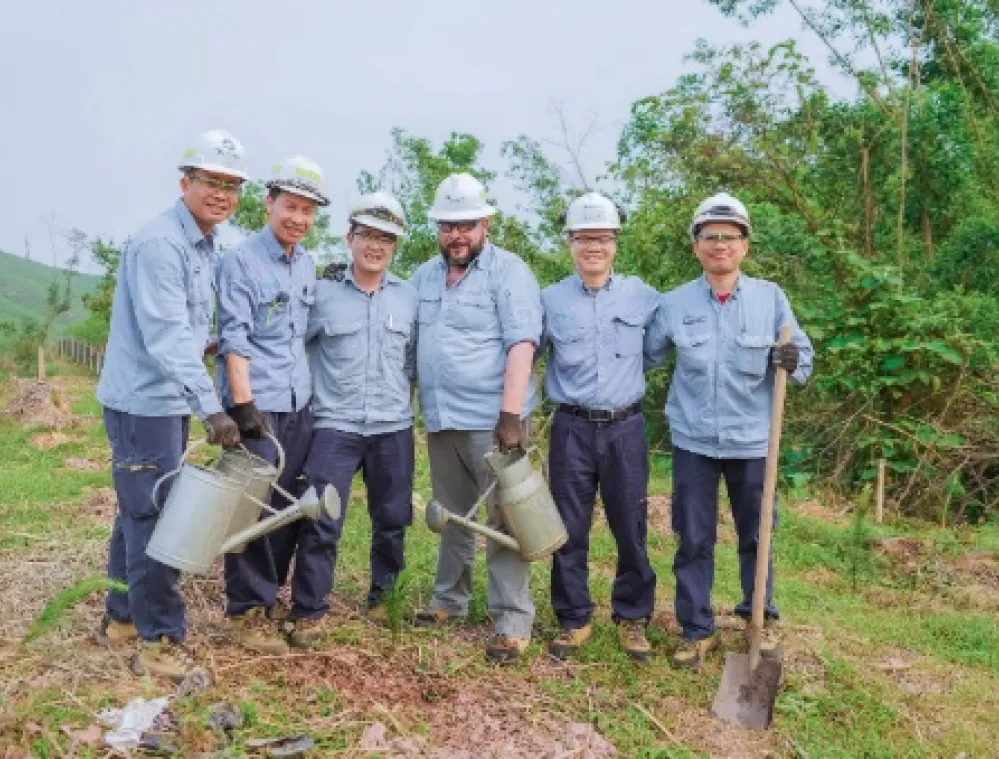
After Typhoon Yagi damaged local landscapes and livelihoods, AES Vietnam supported community recovery through reforestation of native trees. AES donated 4,400 Giổi tree seedlings to advance the community’s reforestation plan and promote long-term livelihood development. In addition, more than 120 AES volunteers and representatives from the Quang Ninh Department of Foresty Protection, planted 3,300 Caribbean pine trees across three hectares of pine forest, helping restore degraded land and strengthen community resilience.
“There’s a special camaraderie that comes from working side by side with colleagues and community partners united by a shared purpose. We have a responsibility to give back to the communities that trust us to power their lives. Planting trees, repairing bikeway fencing, and supporting outdoor experiences are small actions that add up to a healthier, more connected region.”

Partner Organizations